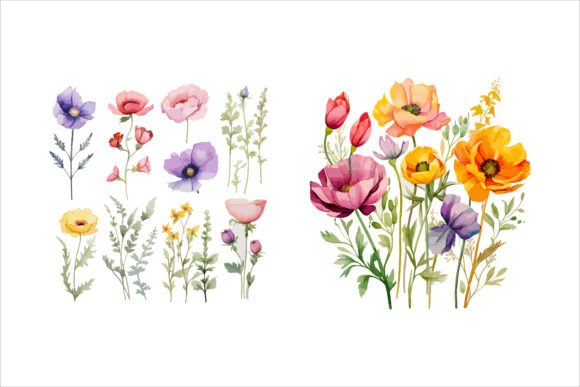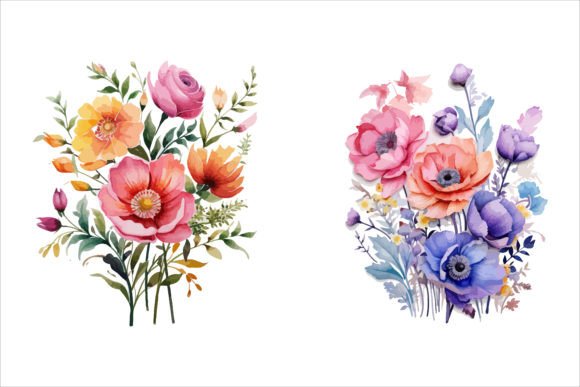
Watercolor Floral Vector Design
As an embroidery designer and product reviewer, I’ve evaluated countless digital designs for real-world use. The Watercolor Floral Vector Design caught my attention not just for its aesthetic appeal but for how it translates into practical embroidery projects. It’s a versatile design that fits well in various craft applications, from handmade products to commercial embroidery. Let me walk through how this design performs in actual use and what to consider before incorporating it into your work.
The First Impression: A Delicate, Timeless Mood
The Watercolor Floral Vector Design immediately evokes a soft, romantic atmosphere. Its gentle curves, flowing lines, and subtle color gradients make it ideal for projects that aim to feel handcrafted and elegant. The layout is balanced, with enough detail to stand out without being overwhelming. It has a visual personality that leans toward vintage, nature-inspired, or feminine themes—perfect for wedding gifts, baby items, or personalized stationery.
This design feels like it was made to be stitched, not just printed. The shapes are clean and well-proportioned, which makes them easier to translate into machine embroidery. The watercolor effect adds a unique texture that can be enhanced with different stitch types, like satin stitch or fill stitch, depending on the fabric and desired look.
Real-Life Use: From Tote Bags to Holiday Gifts
I tested the Watercolor Floral Vector Design on a custom embroidered tote bag, a common project for small business owners and Etsy sellers. The design looked great on a cotton canvas, where the soft floral pattern added a touch of sophistication. It also worked well as a sweatshirt embroidery, especially on light-colored fabrics where the colors pop without needing heavy thread coverage.
For baby items, like onesies or blankets, the design’s delicate nature is a plus. It doesn’t scream “overly busy,” which is important for children’s clothing. On a more personal level, I used it as a patch for a denim jacket, and the result was both stylish and functional. The design’s size and shape made it easy to fit into standard hoop sizes, which is a big win for quick projects.
When used as a background or border, the Watercolor Floral Vector Design adds visual interest without distracting from other elements. It’s perfect for printable mockups, digital product previews, or as a decorative element in stationery and greeting cards.
Where to Be Cautious: Fabric, Hoop Size, and Detail
While the Watercolor Floral Vector Design is beautiful, it’s not a one-size-fits-all solution. On small hoop sizes, some of the finer details may get lost, especially if the design is too dense. For intricate corners or tiny elements, you might need to simplify or adjust the design to ensure clarity after stitching.
Textured or stretchy fabrics can also affect the outcome. If you’re planning to use this on a t-shirt or cap, test it first on scrap fabric. Thin or dark fabrics may require additional stabilizer to prevent puckering or distortion. Also, if you’re using it on layered garments or curved surfaces, be mindful of how the stitches will lay flat and maintain their shape.
Thread color contrast is another consideration. If the design uses light colors, they may not show up well on dark backgrounds unless you adjust the color palette. Always check the design in black and white mockups to see how it will look when stitched.
Impact on Visual Appeal and Customer Perception
One of the most valuable aspects of the Watercolor Floral Vector Design is how it elevates the visual appeal of any finished product. Whether it’s a handmade pillow cover, a personalized gift, or a boutique item, the design adds a sense of craftsmanship and care. Customers often associate intricate, well-designed embroidery with higher quality, which can increase perceived value and customer trust.
This design also enhances brand consistency for small shop owners and Etsy sellers. Its cohesive style makes it easy to integrate into a broader product line, whether you’re selling custom apparel, home decor, or digital downloads. It’s a reliable choice for creating a professional, polished look across multiple items.
Practical Designer Notes: Test, Adjust, and Confirm
Before finalizing any project with the Watercolor Floral Vector Design, I recommend testing it on scrap fabric. This helps you understand how the stitches interact with the material and whether any adjustments are needed. Check the stitch density—too much can cause the fabric to pucker, while too little may leave gaps.
Confirm the hoop size required for your project. If the design is larger than your hoop, consider breaking it into sections or adjusting the layout. Inspect small details closely, especially if the design includes lettering or fine lines. These can be tricky to execute properly, so double-checking is essential.
Also, make sure the design works for both personal and commercial use. While the product description mentions it can be used for various purposes, always verify the licensing terms before selling finished items or digital products. Proper stabilizer use is key, especially for delicate or stretchy fabrics.
Final Thoughts: A Versatile Choice for Creative Entrepreneurs
The Watercolor Floral Vector Design is a solid addition to any embroidery file library. It offers a balance of beauty and functionality, making it suitable for a wide range of projects. Whether you’re an Etsy seller, a craft business owner, or a hobbyist looking to expand your creative options, this design can help you create high-quality, visually appealing products.
Its adaptability across different mediums—from custom apparel to holiday gifts—makes it a go-to choice for designers who want to offer something unique yet practical. Just remember to approach it with care, test it thoroughly, and tailor it to your specific needs. With the right application, the Watercolor Floral Vector Design can become a standout piece in your portfolio.